In light of the current global conflicts—most notably the Russo-Ukrainian War and the escalating tensions involving Israel, Iran, and the United States—it is increasingly clear that the global order is undergoing significant strain. These crises are not isolated; they are reshaping alliances, economic systems, and geopolitical priorities.
For African nations, this moment presents both risk and opportunity. Rather than maintaining policies that lean heavily on external powers, there is a growing case for adopting a more sovereign and self-directed stance. Strategic independence—particularly in areas such as trade, security, and resource management—could allow African countries to better insulate themselves from global shocks while strengthening their bargaining power on the world stage.
A central challenge in this regard has been the historical trajectory of economic development across the continent. Many African economies have been significantly constrained by persistent external interference, both from bilateral partners with diverging interests and from multilateral institutions such as the International Monetary Fund and the World Bank. Over time, these institutions have come to exert considerable influence over domestic policy decisions, at times limiting the policy autonomy of African states.
The relationship between African countries and external actors has often been shaped by unequal power dynamics, with economic arrangements that critics argue have favored extraction over sustainable development. From the legacy of colonial-era resource exploitation to modern debt structures and conditional lending, patterns of dependency have persisted longer than many had hoped. While these partnerships have, in some cases, provided necessary financial support and technical expertise, they have also raised important questions about sovereignty, accountability, and long-term impact.
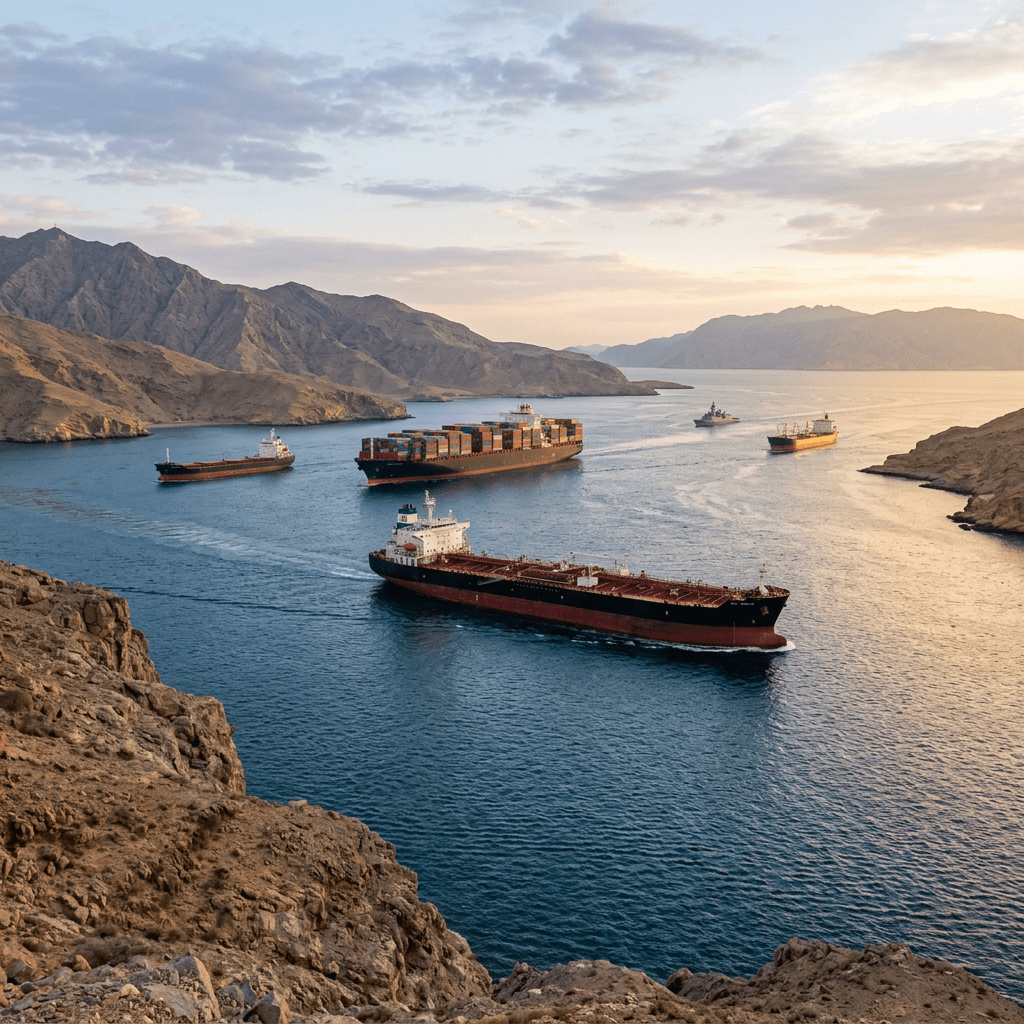
Recent disruptions in global energy markets further highlight these vulnerabilities. As countries scramble to respond to soaring oil prices amid ongoing tensions affecting critical routes such as the Strait of Hormuz, the fragility of global supply chains is once again exposed. For African leaders, this serves as a stark reminder of how external shocks can reverberate across domestic economies. Rather than reacting in crisis mode, this moment can be treated as a learning opportunity—one that underscores the urgency of building resilient, self-sustaining systems.
The African continent is richly endowed with natural resources, from fertile land to vast mineral reserves, alongside a rapidly growing and youthful population. These assets represent immense, yet still underutilized, potential. At a time when global uncertainty is high, there is a compelling case for African nations to harness these resources more effectively—prioritizing value addition, industrialization, and regional integration. With thoughtful policy choices and coordinated action, the continent’s wealth could be more than sufficient to meet the needs of its populations and drive inclusive growth.
Periods of global instability have historically created openings for regions willing to adapt and redefine their trajectories. Africa can use this moment not merely to react, but to reposition itself—building resilient institutions, fostering intra-continental cooperation, and investing in long-term development goals. Strengthening regional frameworks such as the African Union and economic initiatives like the African Continental Free Trade Area could play a key role in advancing this agenda.
Out of global disorder lies the potential for renewal. If approached deliberately, the current turbulence could serve as a catalyst for Africa to rise with greater unity, purpose, and autonomy—shaping its own future on its own terms.

